
Dolpo
Karnali Province, Nepal
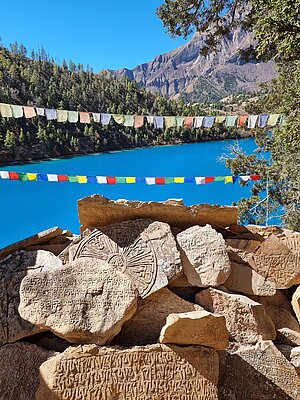
For centuries, cultural objects from the Himalayan region, and especially Nepal, have been looted, stolen and trafficked to meet the demand for ‘exotic’, ‘oriental’ Asian art. They end up in private and public collections far removed from their communities of origin and worship. In the process, these communities are denied access and agency over their own cultural heritage. At the same time, demand for Nepal’s rich natural heritage — its flora, fauna and surrounding indigenous knowledges — drives an exploitative, extractive trade in natural resources. Endemic plants, wildlife, fossils, gems, and other natural resources are therefore continuously poached and plundered from Nepal.
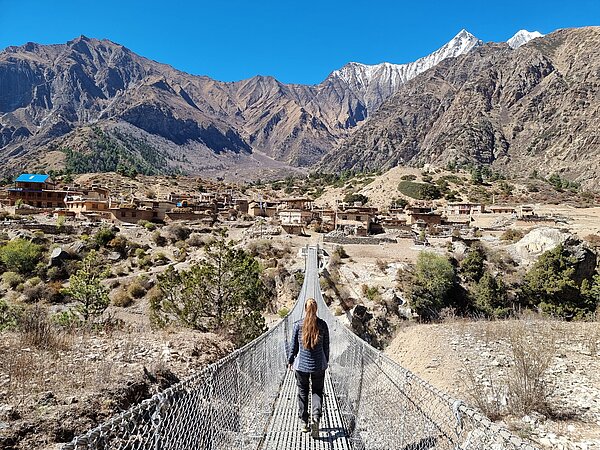
Emiline Smith investigates the practicalities and networks in place to traffic such cultural and natural resources from, to and through Nepal. Through interviews with stakeholders, her research traces the lives, meanings, and values attached to these resources to explore why and how they are trafficked. Her project specifically focuses on the Dolpo region and Bhaktapur: two areas renowned for their stunning natural and cultural heritage, but which are also forced to deal with the devastating consequences of demand for these invaluable resources.


 Privacy Imprint